

Ethiopia sits on one of the most geologically active regions on Earth. It’s part of the East African Rift, where the African continent is slowly pulling apart. Because of this, the country experiences frequent seismic activity and occasional volcanic eruptions.
Recently, interest has grown around reports of volcanic activity in Ethiopia. While eruptions in this region aren’t new, they often raise genuine questions about safety, travel and what exactly is happening beneath the ground. This post breaks it all down in a clear and human way.
Why Ethiopia Has So Many Active Volcanoes
Ethiopia lies on a triple junction where three tectonic plates meet. As they drift apart, magma rises closer to the surface. That’s why places like:
- Erta Ale
- Dallol
- Nabro
- Alutu
are known hotspots for volcanic activity. Erta Ale in particular is famous for having one of the few continuously active lava lakes in the world.
What Happens During a Typical Eruption Here
Eruptions in Ethiopia tend to fall into two general categories:
1. Lava Flows
These are common with shield volcanoes like Erta Ale. The lava usually moves slowly, giving communities time to respond. It can damage roads and small settlements but rarely leads to widespread destruction.
2. Ash and Gas Emissions
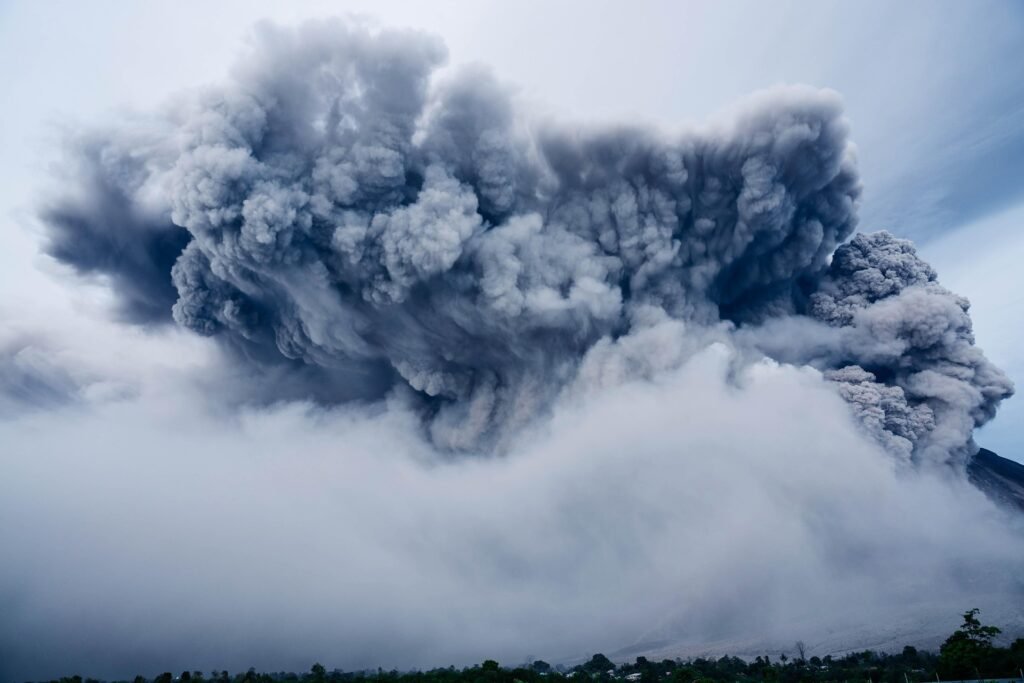
Some volcanoes release plumes of ash that can affect air quality and reduce visibility. This can also disrupt flights in the region.
Because the area is remote and sparsely populated, eruptions often draw more attention from scientists and travelers than from emergency responders.
How Local Communities Are Affected
People who live near Ethiopia’s active volcanic areas are used to the landscape changing. Still, eruptions can bring:
- Temporary displacement
- Loss of livestock
- Water contamination
- Road blockages
The Ethiopian Geological Survey and regional authorities usually monitor activity and issue warnings when needed. Most communities rely on both official updates and traditional knowledge passed down for generations.
What Travelers Should Kno
The Danakil Depression draws adventurers from around the world, especially to see Erta Ale. If you plan to visit:
- Travel with experienced local guides
- Follow all safety directions near lava fields
- Avoid approaching vents or cracks in the ground
- Check advisories before heading to remote areas
Eruptions can change conditions quickly, so having reliable support is important.
The Bigger Picture: A Landscape Still Taking Shape
Volcanoes in Ethiopia remind us that the Earth is alive and shifting. The land here is literally splitting apart, creating new crust and reshaping the region inch by inch. What may feel destructive in the moment is part of a long geological process that has been unfolding for millions of years.
As monitoring tools improve, scientists are getting better at understanding these eruptions. That helps keep communities safer and gives the rest of us a clearer window into one of the most dramatic landscapes on the planet.
